INMODE for Dry Eye Disease
Dry eye disease is a condition where the eyes do not produce enough quality tears to lubricate and nourish the eye.
This can be caused by factors such as aging, environmental conditions, prolonged screen use, certain medications, autoimmune disorders, and hormonal changes. It is characterized by a range of symptoms including stinging or burning sensations, redness, itchiness, blurred vision, and a feeling of grittiness in the eyes.
What is meibomian gland dysfunction (MGD)?
Meibomian gland dysfunction (MGD) is a common eye condition where the meibomian glands, located in the upper and lower eyelids, may become blocked and do not function properly. If left untreated, MGD can lead to chronic discomfort and increased risk of permanent damage, highlighting the importance of timely diagnosis and appropriate management.
What is Forma-i?
Forma-i is a non-invasive radiofrequency treatment to address dry eye symptoms caused by Meibomian Gland Dysfunction (MGD). A small and precise applicator delivers gentle heat to the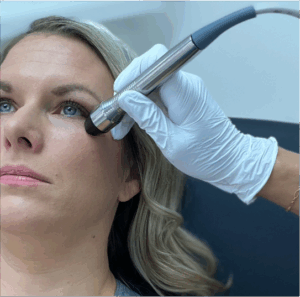 delicate eye area, thereby targeting the underlying causes of meibomian gland dysfunction, such as gland blockages, and promoting improved blood circulation and gland function.
Forma-i radiofrequency treatment can help alleviate dry eye symptoms, including discomfort, blurred vision, and irritation, and improve the appearance of fine lines, wrinkles, and bags.
What is Lumecca?
Lumecca Intense Pulsed Light (IPL) treatment delivers targeted light energy to areas of the face, body, and delicate eye area, offering benefits for dry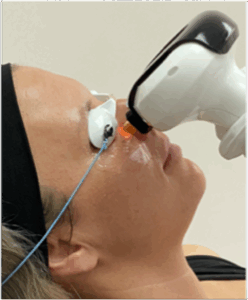 eye, inflammation, and pigmentation concerns. Light energy targets tiny inflammatory blood vessels just below the skin, reducing eyelid inflammation, rosacea, eyelash mites (demodex), and improving collagen synthesis, indirectly helping dry eye symptoms and associated discomfort. Additionally, Lumecca IPL’s ability to target pigmented areas can be utilized to address issues like hyperpigmentation, improving the aesthetic appearance around the eyes, areas of the face, and body.
How many treatments are needed?
Most patients will start to feel and see improvement after the first treatment, however a series of 4 treatments is typically recommended for optimal results.
Are these treatments covered by insurance?
These treatments are not recognized by insurance companies as coverable services and are therefore cash-paid. These treatments are intended to improve and treat the root cause of dry eye disease, thereby saving money on the lifelong need for expensive prescription eye drops.